
Speech Sounds at St Catherine's
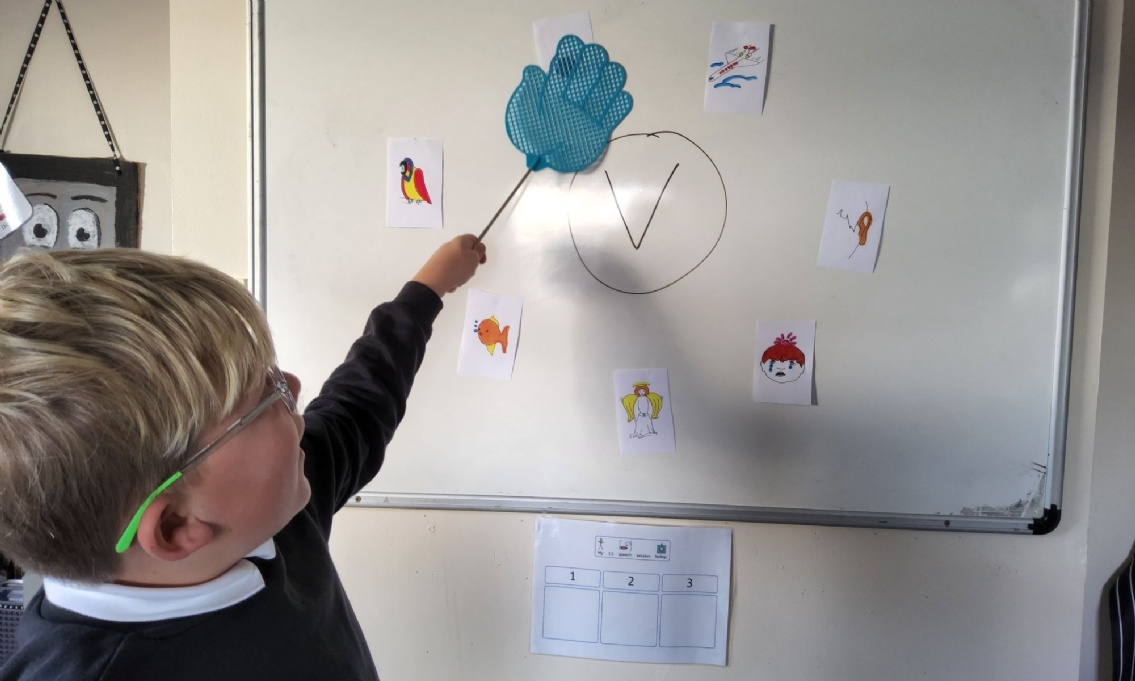
May is Apraxia Awareness Month
This month, we are recognising Childhood Apraxia of Speech (CAS) alongside other Speech Sound Disorders (SSDs) to help raise awareness and celebrate the resilience,
determination, and progress shown by our students.
What are Speech Sound Disorders?
Some people have difficulty producing speech sounds – the sounds involved in speech. This can affect how easy it is for them to communicate and be understood by other people.
There are different types of speech sound difficulties. Some may have articulation difficulties, where they need support to physically produce different sounds. Others have phonological difficulties and whilst they can produce different sounds, they need support knowing when and how to use them. Some have motor speech difficulties, such as CAS. This means they have difficulties planning, programming, sequencing and coordinating the precise movements required for speech.
Speech sound difficulties are not caused by laziness or lack of understanding and children do not simply “grow out of them.” With the right support and therapy, people can make fantastic progress.
How do we work on speech sounds?
In therapy sessions, we use evidence-based approaches tailored to each student’s individual needs. Therapy is designed to be engaging and motivating, incorporating students’ individual interests while providing frequent opportunities for targeted speech practice to help establish new motor programmes. Students are supported to build confidence through positive and successful experiences.
Some of the ways we work on speech sounds include:
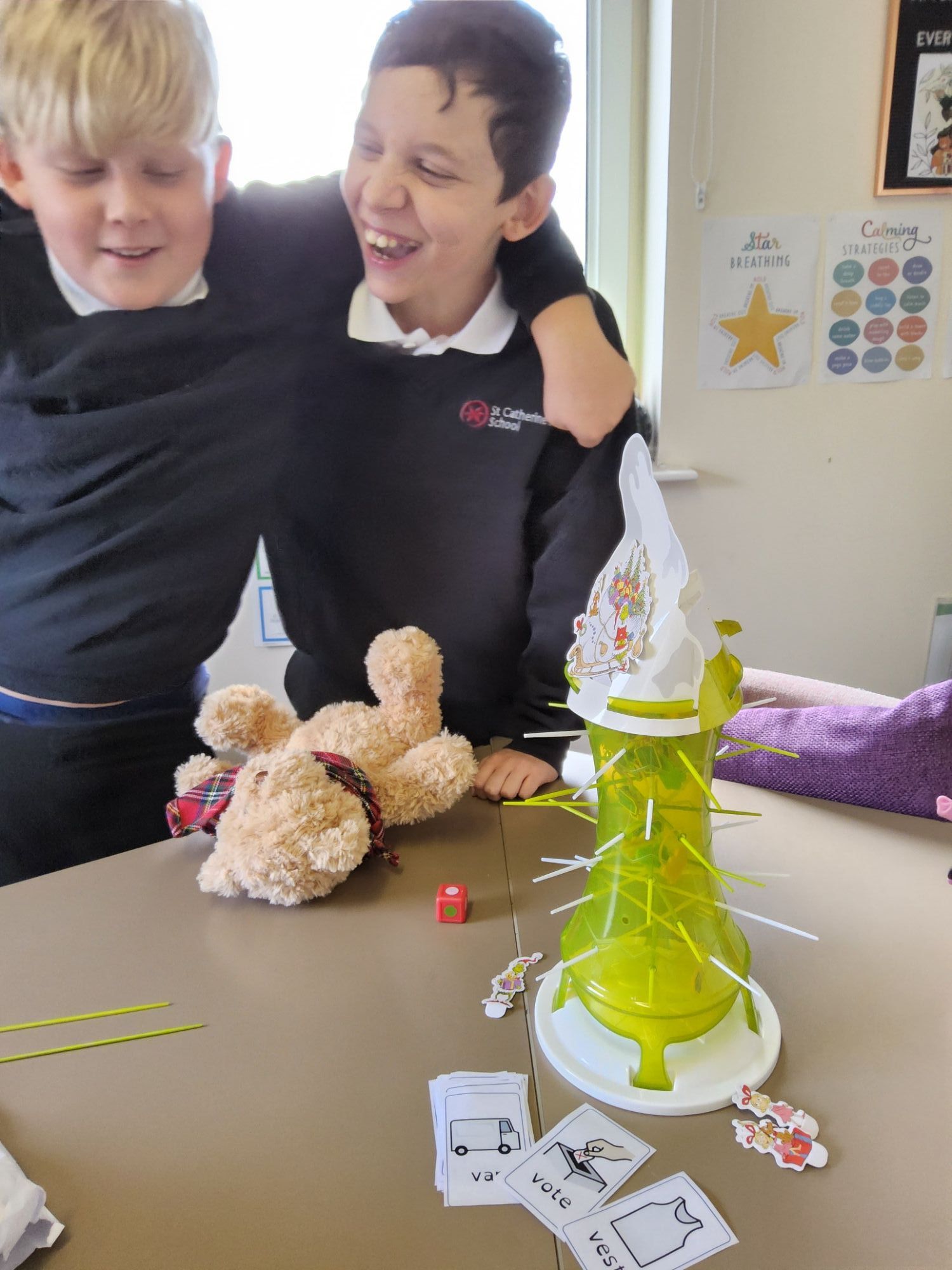
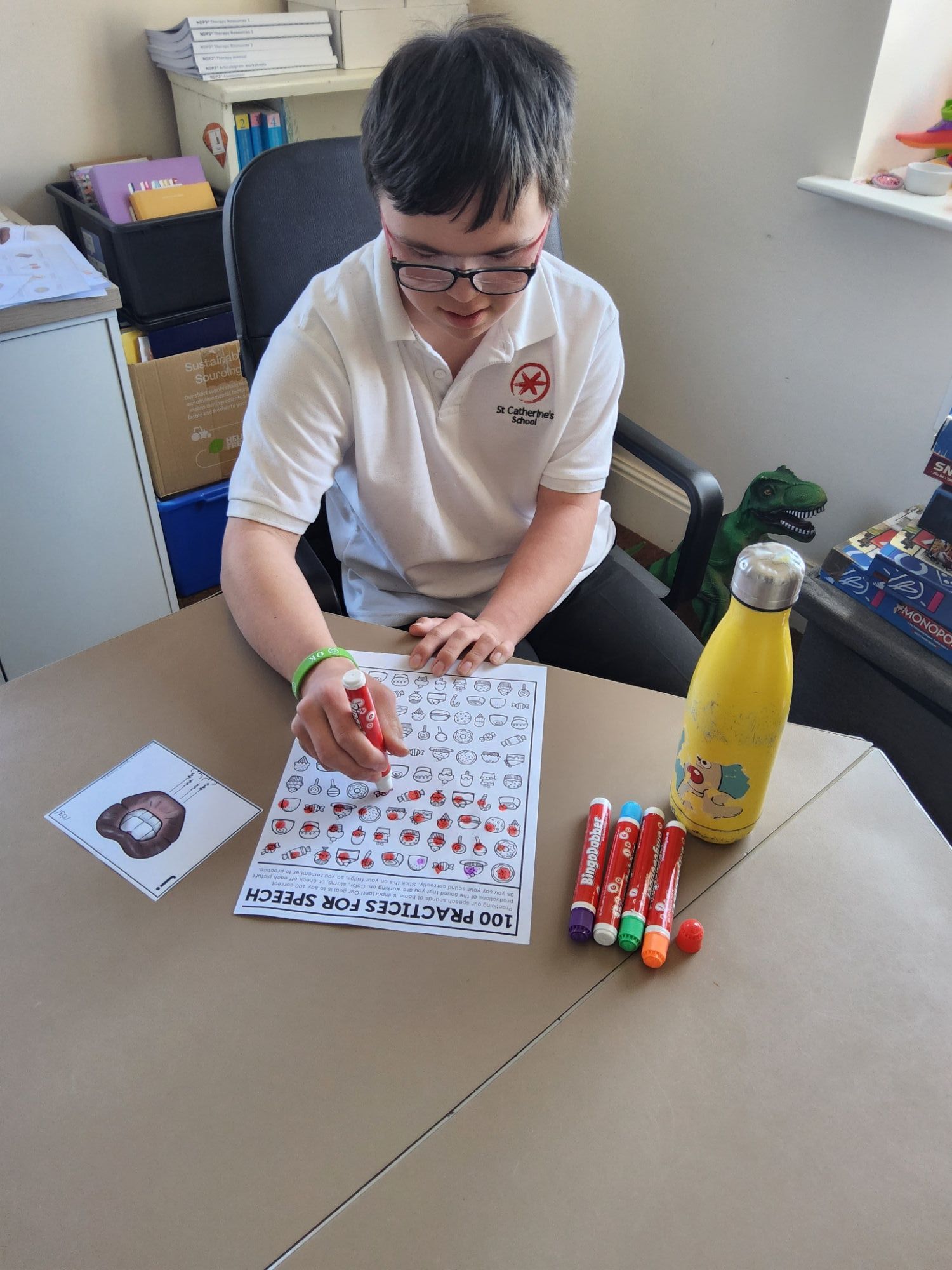
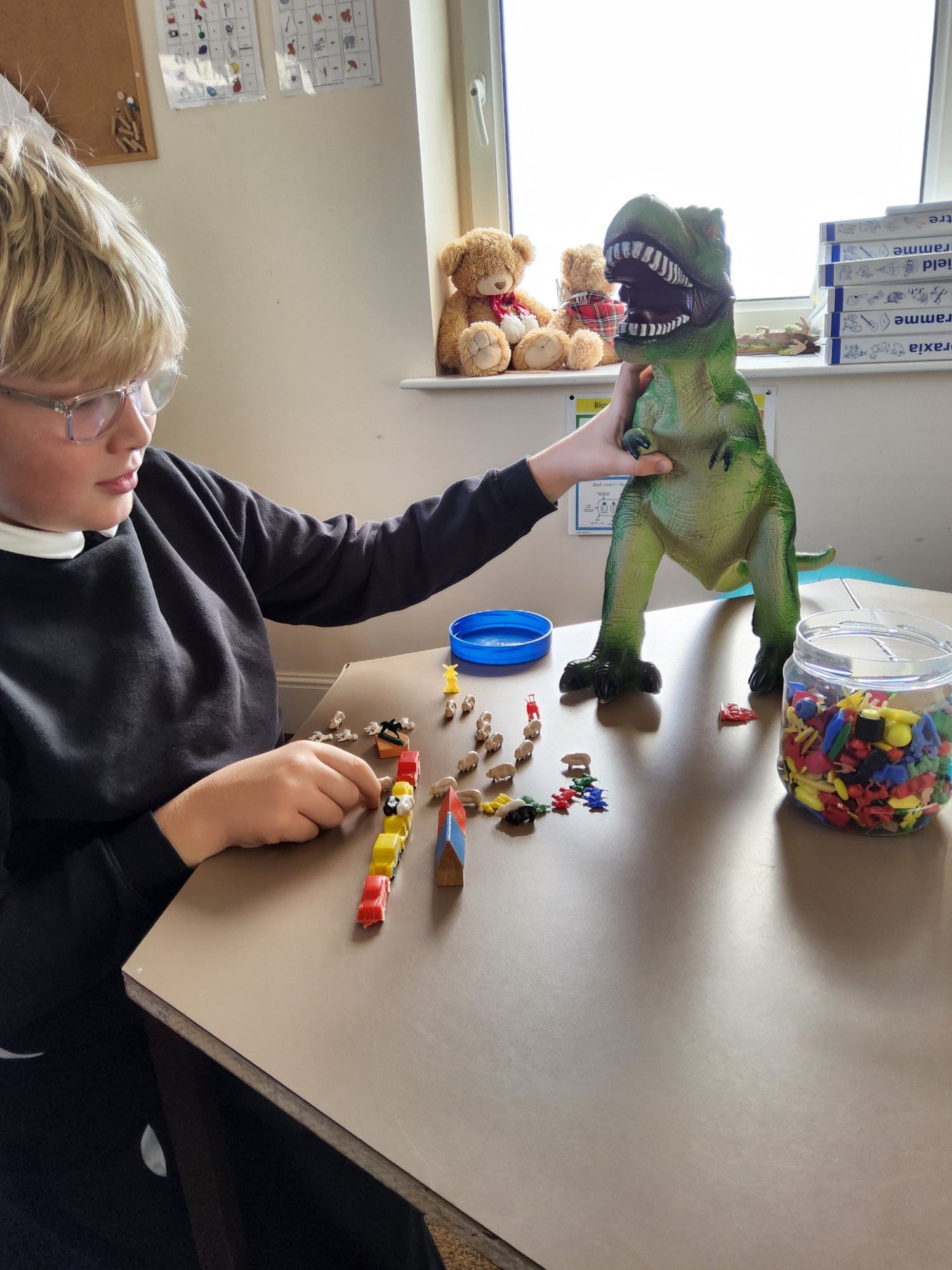
- practising target sounds through games and motivating activities
- using visual prompts, mirrors and gestures
- breaking words into smaller parts (syllables)
- listening and auditory discrimination activities
- building confidence in communication, not just accuracy
- teaching strategies to support in situations where students haven’t been understood, for example by repeating words, describing the word, using another word, drawing or signing.
Recent speech therapy activities
What our students would like people to know
“Sometimes I talk and it comes out the wrong way, like backwards ways. It’s really annoying.”
“My brain thinks it’s easy to pronounce the words but it’s actually hard.”
“Sometimes if I’m talking quickly or I’m excited it can get harder.”
“When I started here it was probably pretty hard to understand me.”
“My speech is really good now, lots of people understand me.”
“I think I’ve got better at sounding out words.”
“My ‘s’ sound has got better and my speaking in general.”
“We play fun games and practise sounds.”
“If its’s tricky I can say a word that means the same but is easier to say…but this isn’t always easy.”
“Give me time to get my words out”
“It’s not helpful if someone pretends to understand.”
“It can be annoying if people interrupt when I’m trying to do it.”
“Wait a tiny bit longer for me to try again.”
“Understand that I’m trying my best.”
“People should know – be patient, give time, understand, don’t make fun of how I talk.”
Useful websites:
- https://lucasvoice.org.uk/
- https://mikeyswishfoundation.org/
- https://speechapraxia.co.uk/resources#d6f59a12-e5ea-42b9-982a-dd7e0b639a57
- https://www.apraxia-kids.org/
If you would like more information, please email us on speechtherapy@stcatherines.org.uk.